

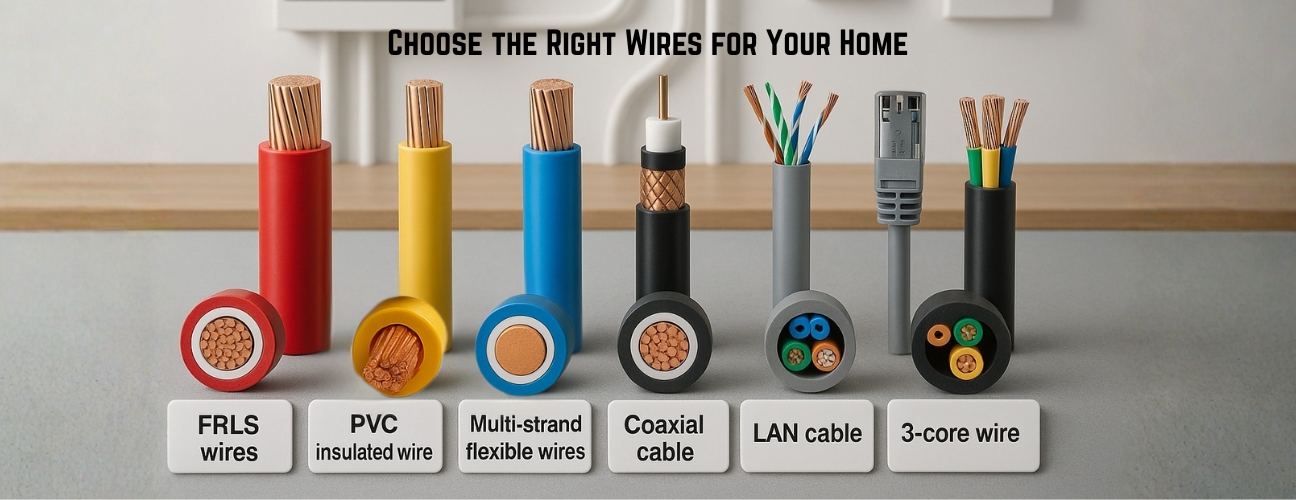
Table of Contents
Objective:
The objective of this article is to educate homeowners, electricians, and renovation planners about the different types of electrical wires used in modern households and how each type contributes to home safety, performance, and long-term reliability. By clearly explaining the role of single-conductor wires, multi-conductor cables, low-voltage wiring, and advanced FRLS/HRFR safety wires, the article helps readers make informed decisions when selecting the right wiring for various household applications.
It also emphasizes the importance of choosing high-quality, certified wires with proper insulation, load capacity, and safety features to prevent fire hazards, electrical failures, and frequent maintenance issues. Additionally, the article guides readers on key selection factors such as load requirement, environment, voltage rating, and insulation type. To ensure homeowners get authentic and safe products, it highlights Capital Cables Pvt Ltd, Delhi as a trusted supplier offering genuine branded wiring solutions from leading manufacturers like Polycab, Havells, and Finolex.
Introduction
Electricity powers everything we rely on our lighting, cooling, heating, entertainment systems, kitchen appliances, and even the smart devices that make modern living effortless. Behind this comfort lies a hidden network of electrical wires that silently carry energy from the main supply to various points throughout the home. The quality and type of wire used in this network determine not just performance but also the safety and longevity of your electrical system. For homeowners in Delhi looking for authentic, high-quality wiring solutions, Capital Cables Pvt Ltd, Delhi is a trusted polycab wire dealer offering a wide range of top-branded wires and cables, ensuring reliability and long-term peace of mind.
Understanding the different types of wires used in households is essential before beginning any new construction or renovation project. Each type is designed with specific materials, insulation, and voltage capacity to handle particular functions. Choosing the right wire not only ensures stable electricity supply but also prevents overheating, reduces fire risk, and enhances the efficiency of your entire electrical setup. Let’s explore all the different types of wires and cables commonly used in homes—and how to select the best ones for your requirement.

Understanding the Basics: What Makes a Wire Different from a Cable?
Before diving into categories, it helps to differentiate between the two most commonly misunderstood terms — wires and cables.
- A wire is a single electrical conductor. It may be bare (without insulation) or covered with PVC/thermoplastic insulation.
- A cable contains multiple insulated wires bundled together and then wrapped in a protective outer sheath.
Cables are used when multiple electrical lines need to run together, such as in power outlets, lighting circuits, or appliances. Wires, on the other hand, are used for individual connections, grounding, or simple circuits.
The materials used typically copper or aluminium define how efficiently electricity travels. Copper is preferred for most homes due to its excellent conductivity, strength, and durability. Insulation colours also play an important role by indicating functions:
- Red/Yellow/Blue for live/hot
- Black for neutral
- Green or Green-Yellow for earth/ground
Now that the fundamentals are clear, let’s explore the complete range of wires and cables your home may need.
Understanding the Basics: What Makes a Wire Different from a Cable?
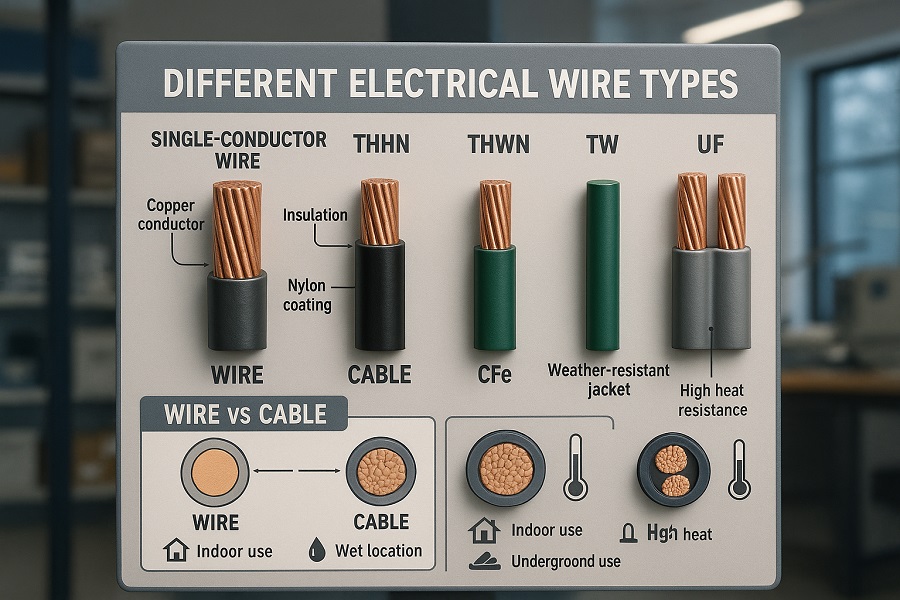
Single-Conductor Wires – The Backbone of Household Wiring
Single-conductor wires are the simplest form of electrical wiring. They connect individual points like switches, sockets, appliances, fans, and lights.
Key advantages:
✔ Easy to install
✔ Available in multiple gauges (thicknesses)
✔ Suitable for both concealed and open wiring
✔ Ideal for residential loads
Common types include:
THHN Wires (Thermoplastic High Heat-Resistant Nylon Coated)
These wires are known for withstanding high temperatures and maintaining structural integrity in both wet and dry environments. They’re ideal for homes with heavy appliances or multi-story buildings where heat buildup is common.
THWN Wires (Thermoplastic Heat- and Water-Resistant Nylon Coated)
Designed specifically for moisture-exposed areas, THWN wires are preferred for outdoor lines, rooftops, and bathroom-related connections.
TW Wires (Thermoplastic-Water Resistant)
TW wires are suitable for general indoor wiring where heat exposure is minimal. They are budget-friendly and widely used in low-load circuits.
UF Wires (Underground Feeder)
UF wires are designed to be buried directly under the ground, making them the right choice for garden lighting, outdoor pumps, and external electrical connections.
Testimonials
“Guys it’s really good quality of cables…..
I am also using. So why are you wating
Order Now………”
Multi-Conductor Wires & Cables – When Multiple Circuits Must Run Together
In many parts of a home, multiple wires need to travel from the distribution board to switches, appliances, or sockets. Multi-conductor cables bundle them into one safe, protective sheath.
Coaxial Cables
Used for TV, broadband, CCTV, and data connections. They provide excellent noise-free signal transmission and prevent electromagnetic interference.
Non-Metallic (NM) Sheathed Cables
NM cables include two or more insulated conductors and a bare grounding wire. These are widely used in internal circuits for:
- Lighting lines
- Wall outlets
- Basic appliances
They are affordable, flexible, and ideal for concealed wiring inside walls.
Metal-Sheathed / Armored Cables (BX or MC Cables)
These cables encase insulated wires in a protective metal layer. They are perfect for:
- Basements
- Garages
- Exposed wiring locations
- Outdoor pathways
- Commercial buildings
Their robust metal armor protects wires from rodents, moisture, and physical impact.
Low-Voltage Wires – For Communication, Security, and Smart Systems
Low-voltage wires carry minimal current and are designed for specialized household functions such as:
- Doorbells
- Thermostat controls
- Security alarms
- CCTV cameras
- Intercom systems
- LED strip lights
These wires are thinner, flexible, and optimized for low-power transmission without overheating.
Choosing Advanced Wiring for Better Safety and Efficiency
As electrical demands grow in modern homes—due to smart devices, modular kitchens, and high-load appliances—it’s important to choose wires engineered with advanced insulation and safety technologies. Here’s where premium brands come into the picture.
One such reputed brand widely used across India is Polycab, known for high-performance, safe, and efficient electrical cables. Below are some industry-leading options:
HR-FRLSH LF Wires (Heat-Resistant, Flame-Retardant, Low Smoke, Halogen & Lead-Free)
These wires provide exceptional protection against toxic fumes and flame spread. They are perfect for:
- Apartments
- Closed rooms
- Child-care areas
- Kitchens
- Damp or moisture-prone spaces
Their enhanced lubrication and abrasion resistance make installation smooth and long-lasting.
FR-LSH Wires (Flame Retardant, Low Smoke, Low Halogen)
These wires ensure minimal smoke emission during fire incidents, giving residents more time to evacuate safely. They are widely used in:
- High-rise homes
- Malls
- Housing societies
- Public spaces
The combination of FR properties with low-halogen insulation makes them ideal for heavy daily usage.
ETIRA Flame-Retardant Wires
Made with high-purity electrolytic copper conductors and advanced FlameStop insulation technology, these wires offer:
- High flexibility
- Excellent fire resistance
- Reliability under 1100V loads
- Suitability for both indoor and outdoor use
They’re perfect for areas with limited space, bends, or concealed pathways.
How to Choose the Right Wire for Your Home
Selecting wires becomes easy if you keep a few technical factors in mind:
- Electrical load: Heavier appliances need thicker wires (4 sq mm, 6 sq mm, etc.)
- Insulation type: FRLS or HRFR for better safety
- Voltage rating: Most home wiring requires 1100V-rated wires
- Environment: Wet areas need moisture-resistant wires
- Longevity: Look for anti-rodent, anti-termite, and high-temperature resistance
Always insist on ISI-marked and BIS-certified products to ensure safety.

Get Genuine Wires for Every Requirement from Capital Cables Pvt Ltd, Delhi
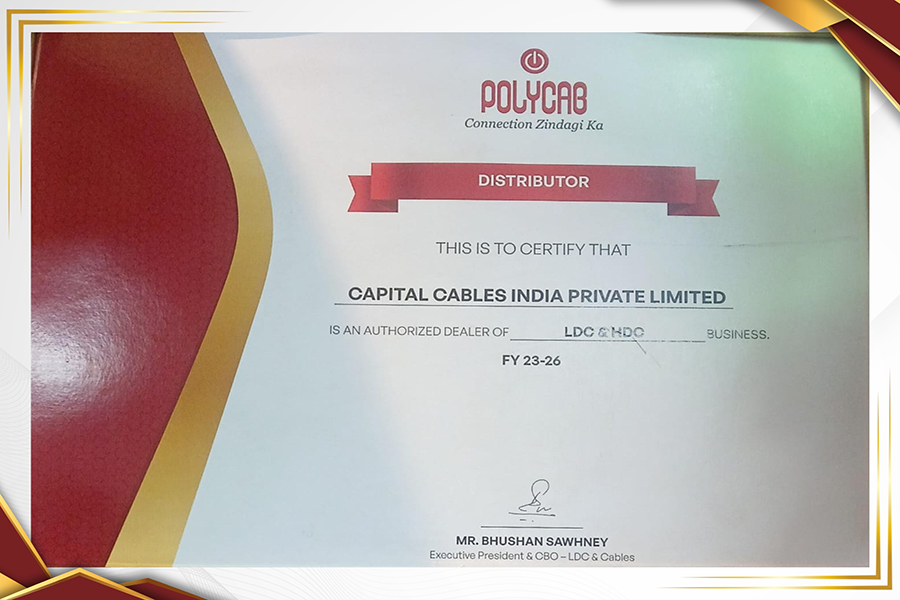
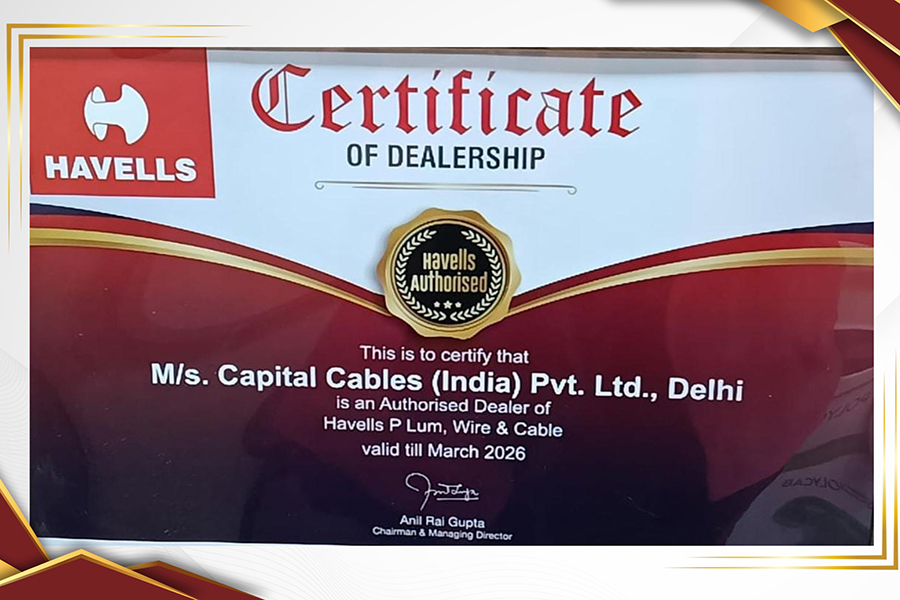
Once you understand the types of wires and their applications, the final step is selecting a reliable supplier. Buying electrical wires from authorized dealers protects you from counterfeit or unsafe products that may compromise your home’s security. Capital Cables Pvt Ltd, Delhi is one of the most trusted suppliers of high-quality wiring solutions, offering a complete range of branded wires—including Polycab, Finolex, Havells, and more. Whether you need single-core wires, multicore cables, FRLS safety wires, low-voltage solutions, or specialized outdoor wiring, they provide expert guidance, authentic products, and the best market rates.
Conclusion
A safe and efficient wiring system is the backbone of a well-functioning home. By understanding the different types of wires—single-conductor, multi-conductor, low-voltage, armored cables, and advanced FRLS categories—you can make informed decisions that improve the safety and longevity of your electrical setup. For homeowners seeking reliable, certified, and brand-original wiring products, Capital Cables Pvt Ltd, Delhi offers a complete range of solutions to meet every household need.
Table of Contents